


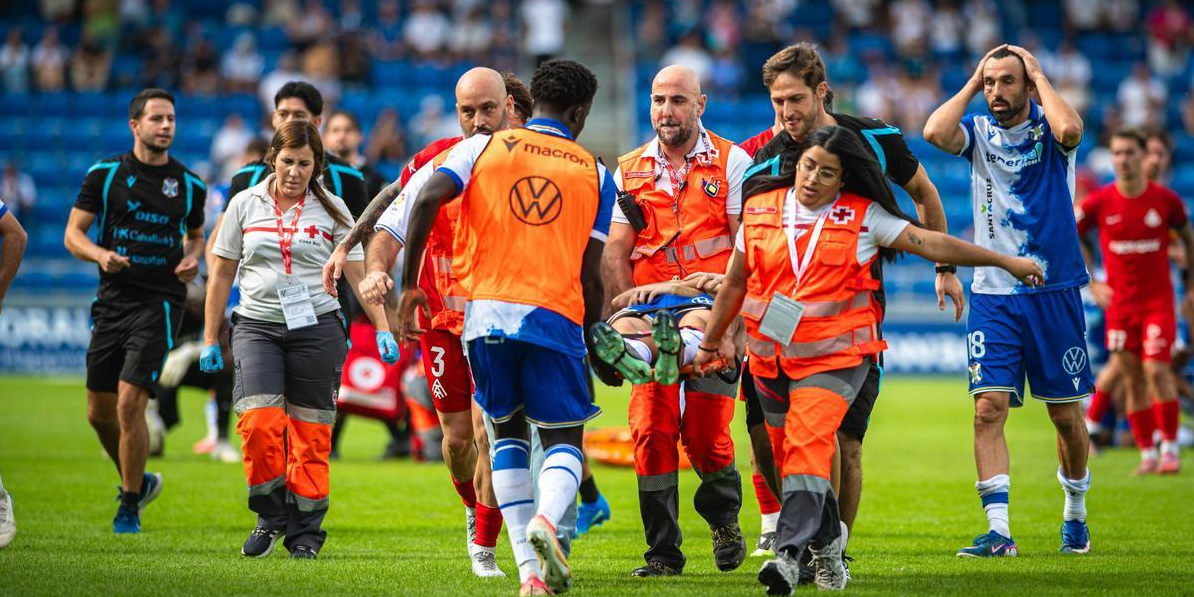
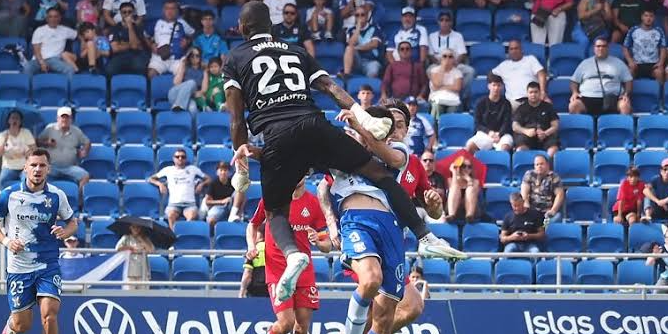
On November 2, in Matchday 12 of LaLiga Hypermotion between CD Tenerife and FC Andorra, the match entered stoppage time when Andorra goalkeeper Jesús Owono charged out and collided with Tenerife forward Jesús de Miguel while contesting an incoming ball. The referee's report stated that Owono used excessive force when raising his leg and striking the opponent, subsequently issuing him a straight red card. The match was suspended in the 96th minute while the score remained tied at 2-2. The following day, CD Tenerife officially confirmed that the 30-year-old De Miguel had tragically passed away.
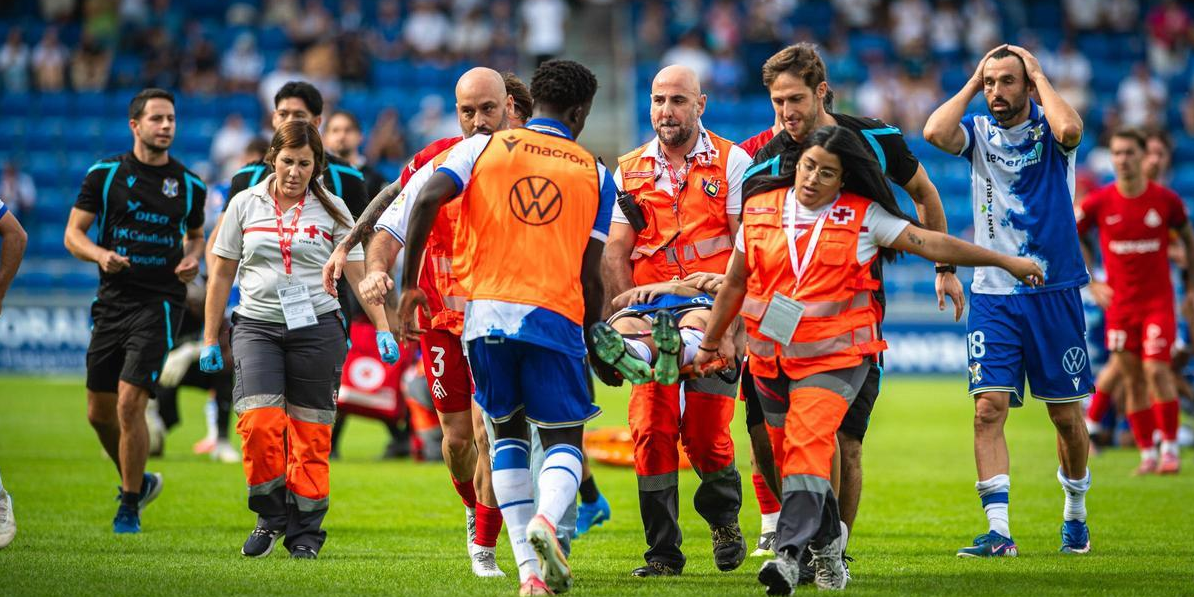
After the red card, what other sanctions will Owono face? The current disciplinary code of the Royal Spanish Football Federation (RFEF) stipulates that a straight red card in principle carries a suspension of at least one match; if the Disciplinary Committee determines that the action falls under articles such as "committing acts of violence against an opponent during the match causing serious injury," the prescribed suspension range under the regulations is 4 to 12 matches. Which specific provision ultimately applies must be determined by the disciplinary authorities based on the referee's report and match materials. As of November 3, no announcement of a specific ban length by the committee has been observed.
Sports disciplinary sanctions and criminal liability are two entirely distinct matters. The Spanish Criminal Code provides that causing death through gross negligence may carry a prison sentence of 1 to 4 years, while causing death through less serious negligence may result in a fine. However, neither the red card nor the tragic outcome in itself directly proves that a player has committed a crime. Whether the act exceeded the permissible collision risks of a football match, and whether a legally recognized causal relationship exists between the collision action and the fatality, must both be judged through match footage, medical evidence, and judicial investigation.
1897: The John Briggs Case
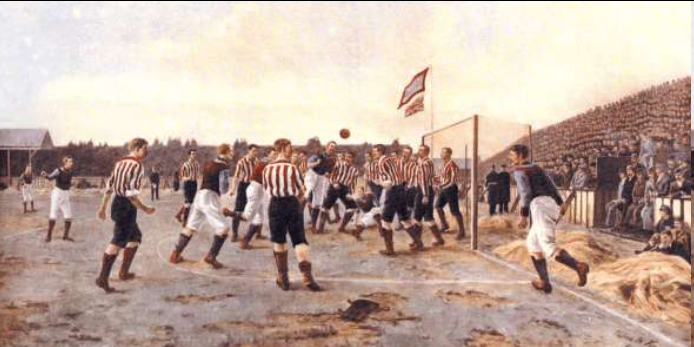
In October 1897, 20-year-old Aylestone United forward John Briggs dribbled past defender Henry Moore during a match. Moore leaped from behind, driving his knee into Briggs's back, which immediately sent Briggs crashing into the knees of the oncoming goalkeeper. A week later, Briggs succumbed to his injuries. In 1898, Moore was convicted of manslaughter; considering his remorse and good character, the court ultimately allowed him to be discharged upon entering into a recognizance of 50 shillings.
1931: Celtic Goalkeeper John Thomson
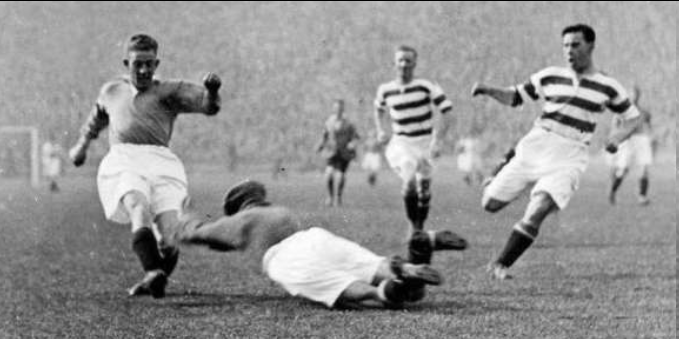
On September 5, 1931, during a match between Celtic and Rangers, 22-year-old goalkeeper John Thomson and Rangers forward Sam English contested the ball simultaneously, with Thomson's head colliding with English's knee. Thomson passed away from severe injuries that night. The official inquiry concluded that it was an accidental collision and that English bore no responsibility; Thomson's family also supported this finding.
1986: Malaga Goalkeeper Gallardo
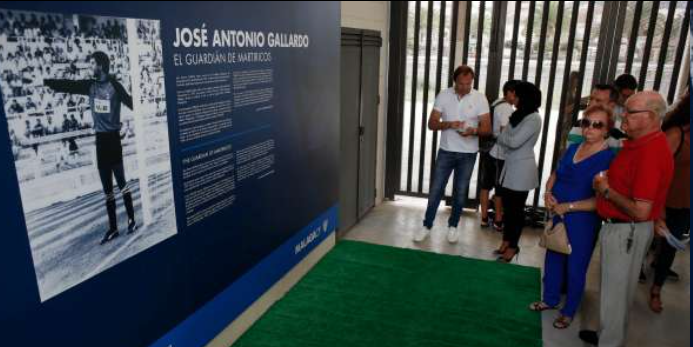
On December 21, 1986, Malaga goalkeeper José Antonio Gallardo suffered a head injury following a collision with forward Baltazar in a match against Celta Vigo. After undergoing medical examinations, Gallardo returned to Malaga, but later fell into a coma due to a cerebral hemorrhage and passed away on January 15, 1987, aged just 25. Baltazar later recalled that the collision occurred purely by accident.
2017: Indonesian Goalkeeper Choirul Huda
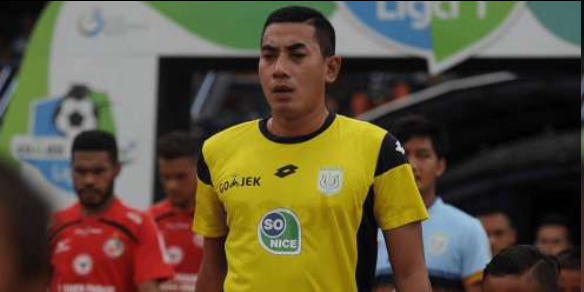
On October 15, 2017, Persela Lamongan goalkeeper Choirul Huda collided with a teammate during a match against Semen Padang. After being injured, he was rushed to the hospital, where he ultimately succumbed, aged 38. Having served Persela for a long time, making over 500 league appearances, he was an iconic figure for the club.
From the manslaughter conviction in the Briggs case to the collision accidents involving Thomson, Gallardo, and Huda, a fatality occurring on the pitch does not necessarily mean that the opposing player must bear criminal liability. What sports sanctions Owono will receive, and whether a criminal investigation will be warranted, must also be judged separately in accordance with tournament regulations and judicial evidence.