
Wanna watch free World Cup live streamsand get free prediction picks? 🎯⚽Tap to join our Telegram channel 📲
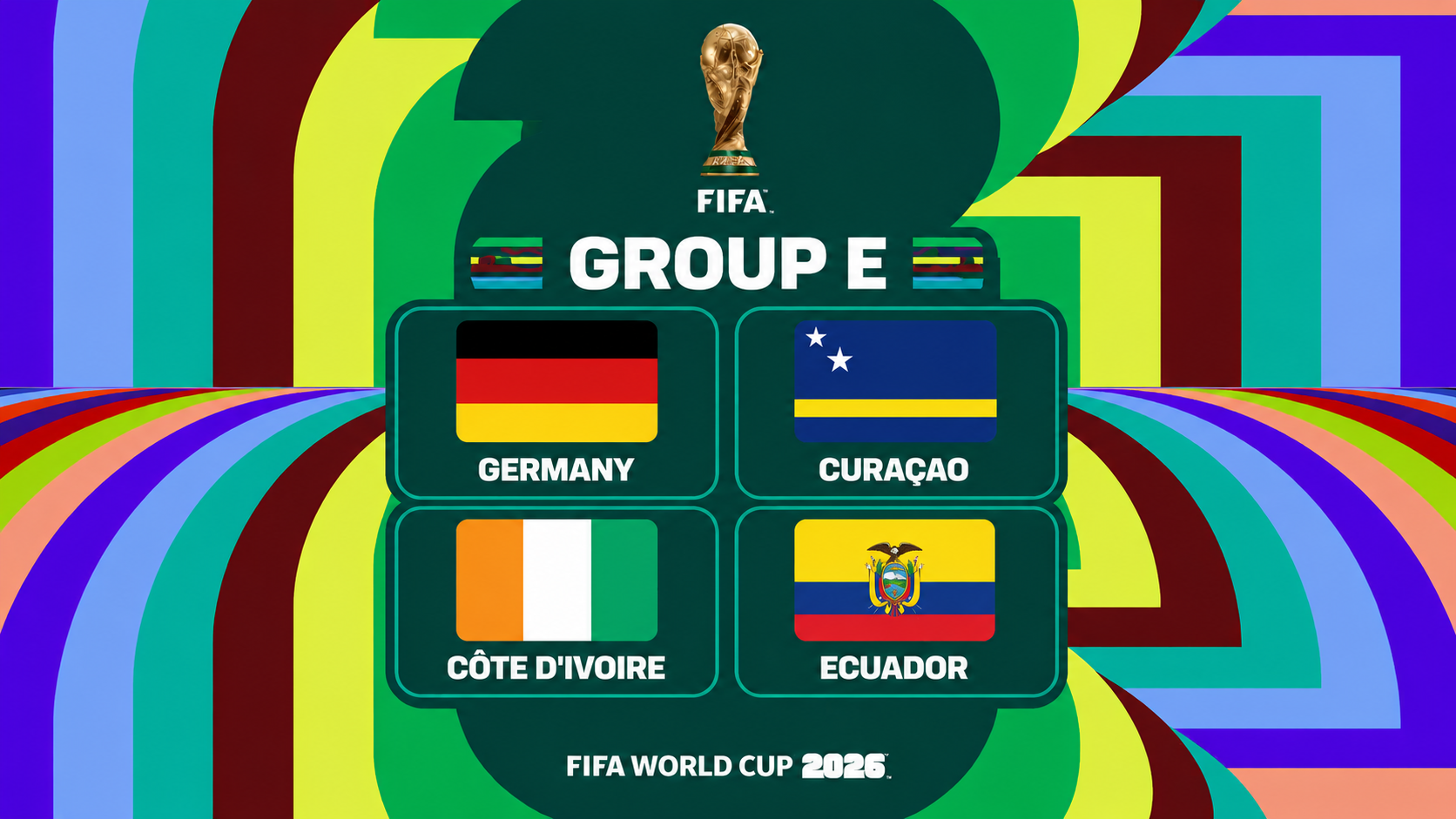
Following the draw for Group E of the 2026 FIFA World Cup in North America, this group has quickly been regarded as one of the representative groups for "clashes of tough styles." Four-time World Cup champions Germany, African powerhouse Côte d'Ivoire, South American tough nut Ecuador, and Caribbean debutants Curaçao, who have qualified for the World Cup for the first time, are grouped together. Unlike some groups with obvious strength gaps, the most distinctive feature of Group E lies in the huge stylistic differences: Germany emphasizes overall control and pressing, Côte d'Ivoire relies on physicality and speed, Ecuador excels at high-intensity counterattacks, while Curaçao boasts a large number of naturalized players trained in the European system. For this group, the real suspense is not "who can get points," but who can first find stability in a high-intensity physical confrontation environment.
Germany: The German Tank Accelerates Again, Nagelsmann Builds a New Generation Core Framework
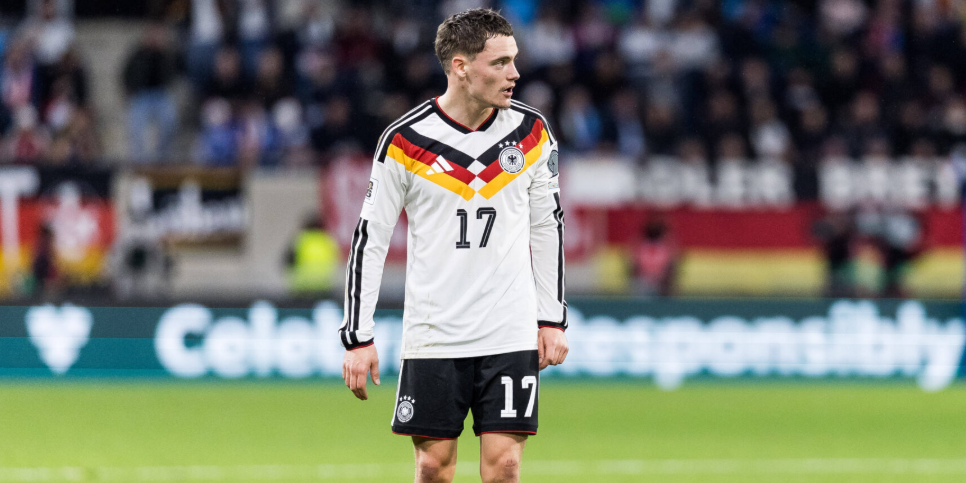
Germany currently ranks among the top 10 in the FIFA World Rankings and remains one of the strongest teams in the group with the most complete squad depth. After experiencing the low point of consecutive group stage exits in the past two World Cups, German football has clearly accelerated its reconstruction over the past two years. FIFA has officially confirmed that Germany qualified directly for the World Cup as group winners in the European qualifiers, securing their place with a 6-0 victory over Slovakia in the final round, marking the 21st time Germany has participated in the World Cup in their history.
Compared with the aging squads and slow pace issues of previous World Cups, the biggest change in the current German team is its youthfulness. Nagelsmann has begun to extensively use pacey players and a highly mobile attacking midfield, significantly accelerating the team's overall progression rhythm. Whether it's Leroy Sané, Jamal Musiala, Florian Wirtz, or Karim Adeyemi, this group of young players has restored Germany's ability to continuously attack defenses. Especially in midfield control, Germany is still among the world's strongest teams.
One of the most important core figures in the current German team remains Jamal Musiala, who plays for Bayern Munich. The attacking midfielder has grown into the new generation of offensive core for Germany, with his greatest strengths lying in exceptional small-area ball retention, continuous directional changes during progression, and the ability to create chances in the final third. Musiala not only possesses high football IQ but also exhibits agility not commonly seen in traditional German players. Over the past few seasons, he has helped Bayern win multiple Bundesliga titles and has been consecutively shortlisted for the European Golden Boy award candidates.
Additionally, Germany captain Joshua Kimmich remains the team's tactical hub. His midfield orchestration, long-range passing, and game-reading abilities are still crucial for Germany to control the match tempo. The biggest issue facing Germany currently is not squad depth, but stability in key matches. In recent years, Germany has often dominated possession but lacked efficiency, so Nagelsmann's real task at this World Cup is to translate possession advantages into stable knockout competitiveness.
From the group perspective, Germany is still the favorite for first place, but the physical impact of Côte d'Ivoire and Ecuador is likely to cause significant problems for Germany.
Curaçao: First World Cup Appearance, the Most Mysterious Caribbean Dark Horse Officially Debuts
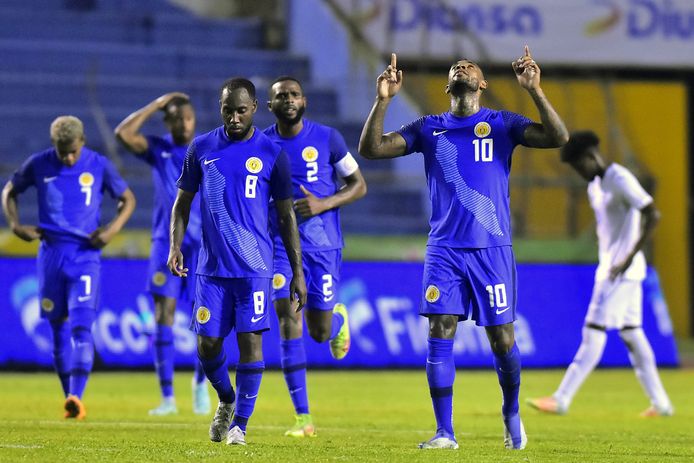
Curaçao is undoubtedly one of the most legendary teams in this World Cup. This small Caribbean country has qualified for the World Cup for the first time in history and has become one of the least populous participating nations in World Cup history. FIFA has officially confirmed that Curaçao qualified undefeated in the CONCACAF qualifiers, finishing ahead of strong teams like Jamaica and Trinidad and Tobago to secure direct qualification.
Curaçao's greatest uniqueness lies in the fact that a large number of their players have developed in the Netherlands football system. Due to historical reasons, many players of Curaçaoan descent have received long-term youth training in the Netherlands, so although the team has little overall fame, their technical abilities are not rough. The outside world generally believes that Curaçao is not a traditional "minnow team," but more like a low-budget version of a Dutch-style team.
The current representative figure of the team is Leandro Bacuna. The veteran midfielder has long played in the Premier League and Championship and currently plays in the Turkish league, while also serving as team captain. In World Cup special features, he is listed as one of the most important core players of the Curaçao national team, with his experience and leadership considered important reasons for the team's historic World Cup qualification.
Bacuna's greatest strength is his extreme versatility—he can play as a midfielder or as a full-back, possesses good long-range passing and shooting abilities, and has rich match experience. In addition, the team has several other players with European league experience, including Tahith Chong, Kenji Gorré, and Juninho Bacuna. FIFA specifically mentioned in the team introduction that Curaçao remained undefeated in all 10 of their qualifying matches, indicating that they rely not only on individual ability but have truly established a mature team system.
In terms of playing style, Curaçao emphasizes midfield pressing and quick transitions. They do not like to fully retreat but are willing to actively create counterattack opportunities through pressing. Although their paper strength is still the weakest in the group, their playing style means that no team will find it easy to beat them. For Curaçao, participating in the World Cup for the first time, every group stage match will be an opportunity to make history.
Côte d'Ivoire: African Champions Return, Physicality and Speed Remain Their Most Dangerous Weapons
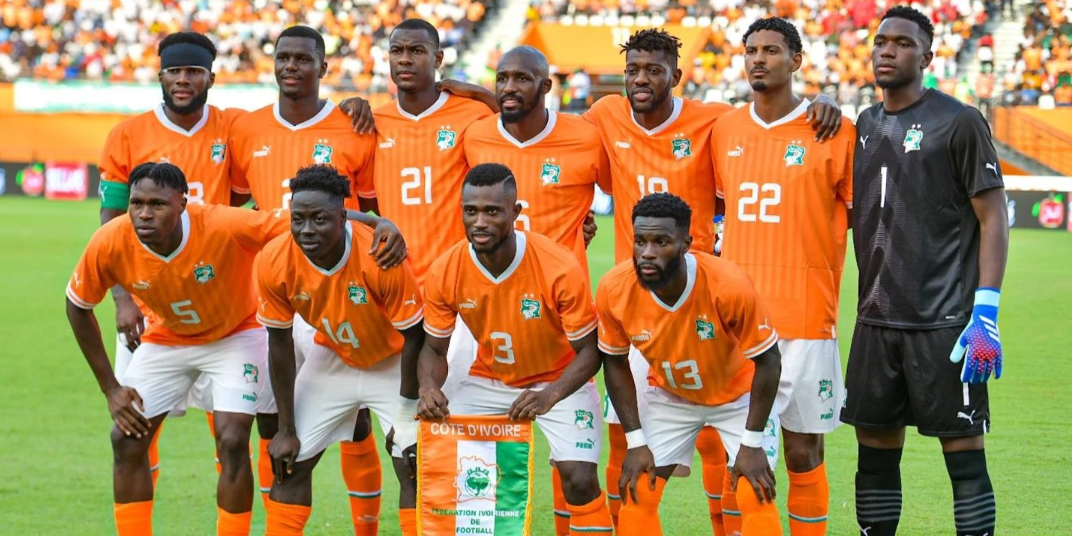
Côte d'Ivoire currently ranks among the top teams in Africa and remains one of the most explosive teams in African football today. As the 2024 Africa Cup of Nations champions, Côte d'Ivoire has shown extremely strong performances in international matches over the past two years. The team successfully qualified in the African qualifiers and entered the World Cup final stage again. Compared with the "star-studded" era of Didier Drogba in the past, the current Côte d'Ivoire emphasizes overall speed and high-intensity impact more.
The team's star player is forward Sebastian Haller, who currently plays for Borussia Dortmund. Although he has previously suffered a serious illness, he is still the most stable target forward in Côte d'Ivoire's front line. Haller's greatest strength lies in his exceptional back-to-goal ability and huge aerial threat, and his target role in the penalty area can help Côte d'Ivoire quickly switch from defense to attack.
What truly makes this Côte d'Ivoire team dangerous is actually their winger group. Whether it's the midfield progression ability led by Nicolas Pépé or Franck Kessié, the team possesses extremely strong counterattack efficiency. Côte d'Ivoire's current greatest advantage is that they are not afraid of physical confrontation against European teams and can often counter-press opponents in terms of match rhythm.
From an overall style perspective, Côte d'Ivoire is a typical tournament team. They may not play particularly spectacular football in the group stage, but once the match enters high-intensity physical combat, they can often rely on individual ability to change the match situation. For Germany, Côte d'Ivoire is likely to be the most dangerous challenger in the group.
Ecuador: South American Tough Nut Returns, Highland Football System Remains Ferocious
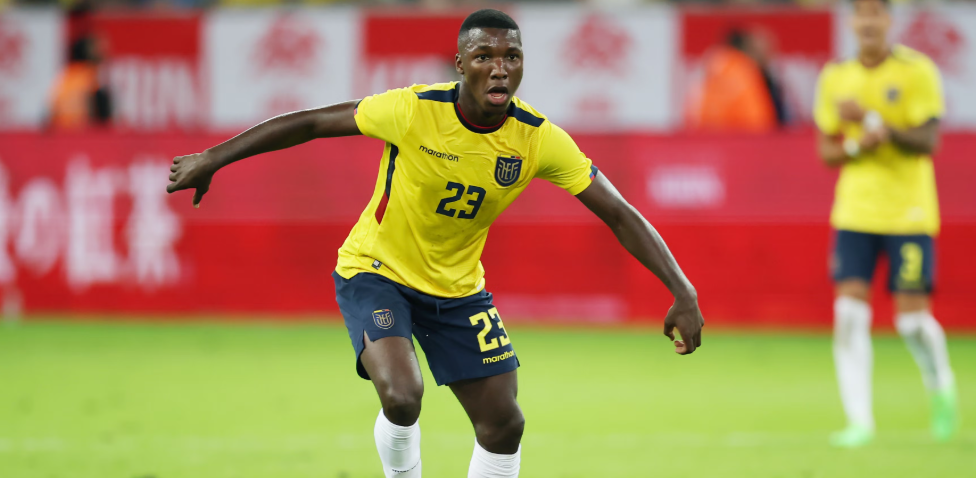
Ecuador has long maintained a stable position in the top 30 of the FIFA World Rankings and is one of the most consistent World Cup participants in South America in recent years. Unlike the star-studded styles of Brazil and Argentina, Ecuador's greatest characteristic is their strong overall discipline combined with excellent physical abilities.
In the South American qualifiers, Ecuador once again successfully emerged from the "death zone." Maintaining competitiveness in South American qualifiers for a long time is itself proof of the team's strength. Over the past few cycles, Ecuador has gradually formed a mature youth framework, with the team's average age significantly decreasing and overall running ability extremely strong.
Ecuador's current absolute core is defensive midfielder Moises Caicedo, who plays for Chelsea Football Club. The defensive midfielder has become one of the top defensive midfielders in world football, with his greatest strengths lying in massive coverage area, exceptional tackling ability, and excellent progression skills. Caicedo previously helped Brighton rise rapidly before joining Chelsea for a record transfer fee, also becoming one of the most representative stars in Ecuadorian football history.
In addition to Caicedo, Ecuador currently has several other major league starters including Pervis Estupiñán and Piero Hincapié. Compared with past South American teams that relied solely on physicality, the current Ecuador has developed more mature tactical organization capabilities. Especially their high pressing and rapid wing progression often create sustained pressure in matches.
For Group E, Ecuador is likely to be the most underestimated team. They may not have a world-class squad like Germany, nor do they have the strong visual impact of Côte d'Ivoire, but their stability is extremely strong. Once the match enters a war of attrition, Ecuador often gradually takes the initiative.
Group E Knockout Qualification Path Analysis: Germany Competes for Top Spot, Second Place Battle May Continue Until Final Round
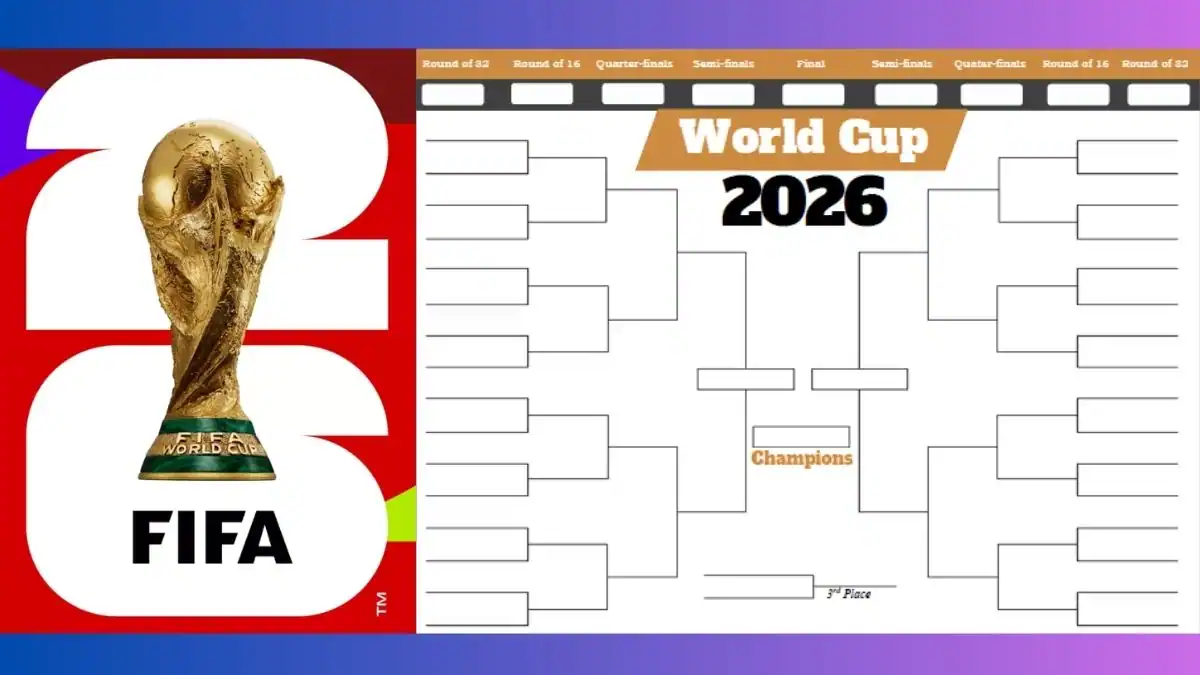
Under the new 48-team format of the 2026 World Cup, the top two teams in each group will qualify directly for the round of 32, while the 8 best third-place teams from all groups will also advance to the knockout stage. The overall level of competition in Group E is extremely high, so the final round may determine the true rankings.
Based on paper strength, Germany remains the favorite for first place in the group. If Germany qualifies as group winners, they will face second-place teams from other groups or the best third-place teams in the round of 32, which will be relatively less pressure in terms of schedule. For Germany, winning the top spot not only means avoiding some top teams but also benefits their overall path in subsequent knockout matches.
The battle for second place is likely to unfold between Côte d'Ivoire and Ecuador. Although the two teams have different styles, both possess strong abilities in tough matches. Côte d'Ivoire relies more on physicality and impact, while Ecuador is more inclined to overall pressing and running. Which team can concede fewer points against Germany may determine the final rankings.
As for Curaçao, although it is their first participation, they are definitely not a "points-giving team." After the expansion to 48 teams, third-place teams also have a chance to qualify, so as long as Curaçao can secure crucial points in a match, they have the opportunity to completely disrupt the entire group situation. Especially in the latter half of the schedule, any draw could change the final qualification structure.
Overall, Group E is likely to be one of the groups with the highest physical confrontation intensity in this World Cup, and the real key to determining qualification may not be who plays more beautifully, but who can maintain stability amid consecutive high-intensity collisions.