How to prevent losing the website and learn more about predictions & news? Welcome to join our Telegram channel, where you will find everything you want about CamelLive.
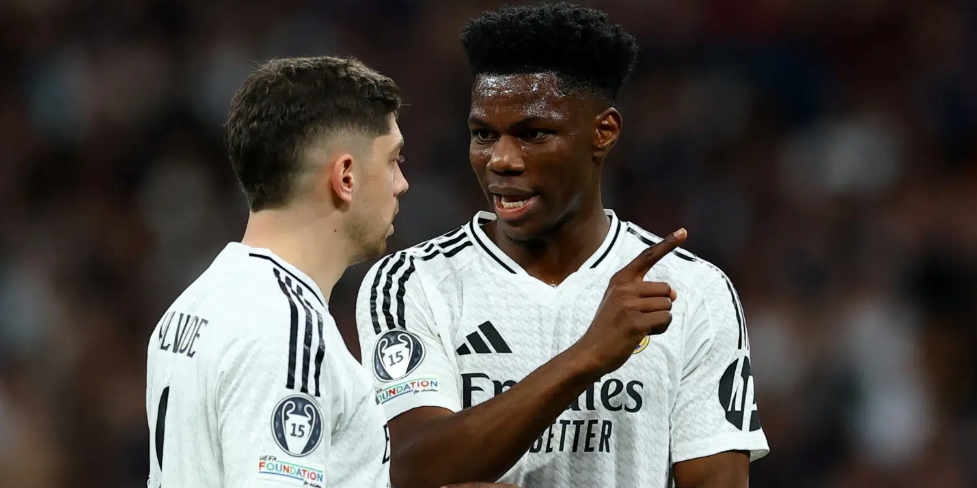
Tchouaméni says he did not hit anyone, and Valverde says his head was hurt in a fall. Although both stars are trying hard to cover things up, the official announcement from Real Madrid has still torn open this scar. After the “slap-gate” involving Rüdiger and Carreras, and the media storm triggered by Mbappé going on holiday while injured, Real Madrid’s dressing-room farce has finally reached its climax.
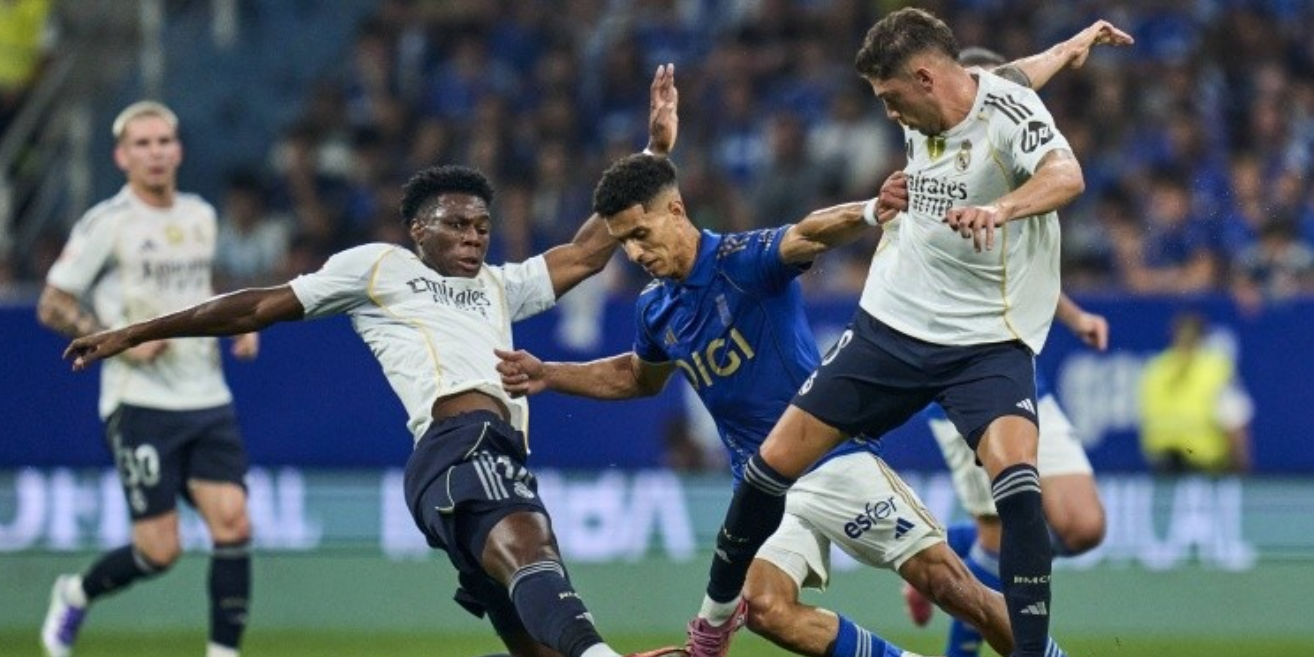
Player fights are nothing new
Football is a sport defined by fast pace and intense physical contact. Brilliant goals and beautiful combinations are only occasional events, while a huge amount of tackling and collisions runs through every match. When opponents clash because of over-aggressive challenges or controversial officiating, it is almost a regular occurrence. When emotions run high, players from both sides pushing, shoving, or even slapping one another is also very common. When teammates throw punches, it usually happens in training sessions. Sometimes it is an “emotional brawl” caused by rising tempers; sometimes it is a “deliberate act” after tensions have accumulated over time. The situation between Valverde and Tchouaméni clearly belongs to the latter.
Before this violent clash, Real Madrid had already seen such a scandal. During pre-season preparations for the 2006/07 campaign, Gravesen and Robinho erupted into conflict during training, trading punches and kicks until their teammates rushed in to separate them. At the time, the man in charge of the Galácticos was Capello, and the iron-fisted coach quickly sent the two players off the training ground. He then held individual talks to make them understand their mistake. In the end, the incident became only a small episode in Real Madrid’s march toward the league title.
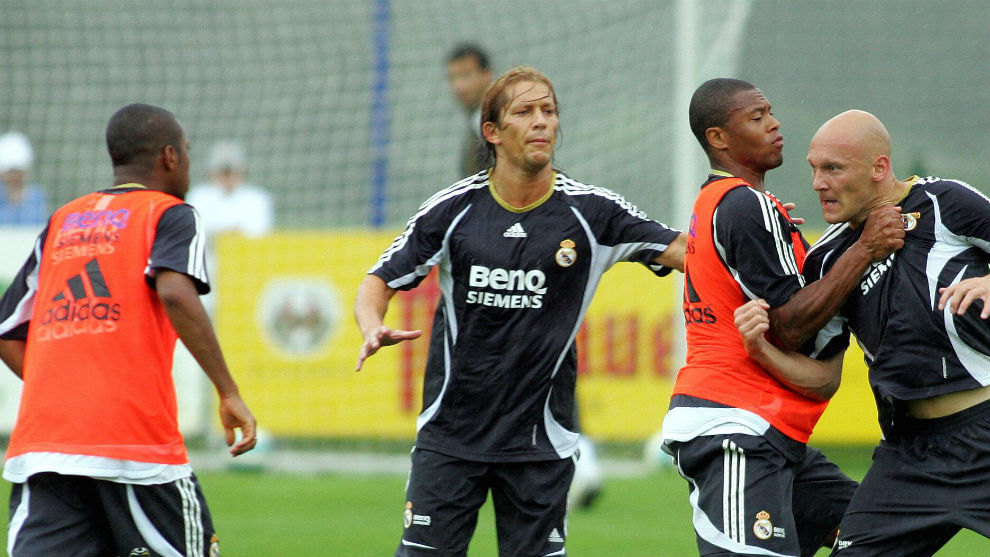
Beyond Real Madrid, Barcelona, Bayern Munich, and AC Milan have also made headlines because players came to blows on the training pitch. In Barcelona’s history, cooperation and competition between local players and foreign players have been one of the main threads in the club’s development. At the turn of the century, Van Gaal’s “Dutch gang” was in full force, and Overmars and Luis Enrique once came to blows in training. As a representative of La Masia, Puyol once fought with Vicente during his time with the national team, and the veteran coach Aragonés quickly used his authority to calm the matter down.
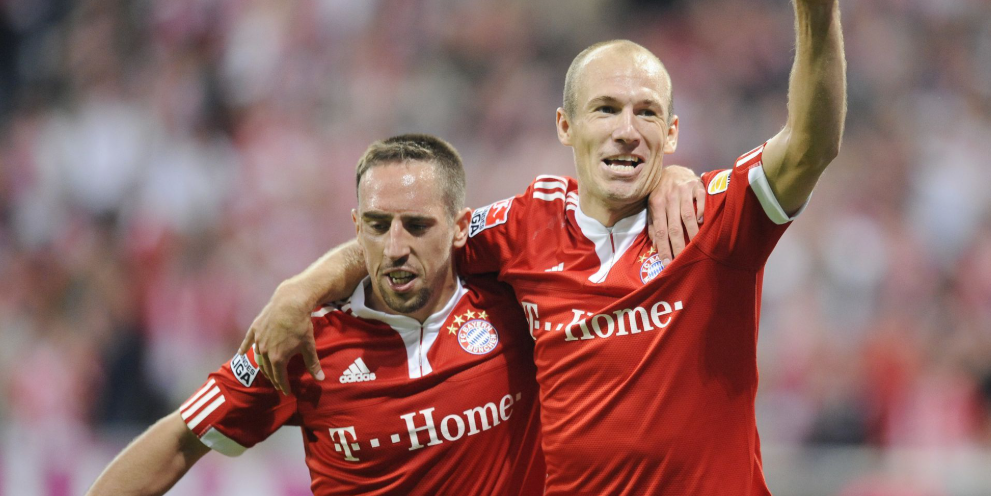
Around the same period, Bayern Munich’s many internal disputes earned it the nickname “Green Hollywood.” Nico Kovač and Lizarazu, Matthäus and Lizarazu, Matthäus and Klinsmann — all of them once “duelled” on the training pitch. When Van Bommel first arrived, Kahn even broke his nose. Entering the 2010s, the German giant still had plenty of internal friction, with Ribéry and Robben, as well as Lewandowski and Boateng, both involved in physical clashes during training.
As a player, Nico Kovač had also taken part in the grand production of “Green Hollywood.”
In the 2010/2011 season, Milanello also heard a discordant note: Ibrahimović and Onyewu clashed in training, and Gattuso was knocked to the ground while trying to break things up. These two giants, both over 1.90 meters tall, came to blows, leaving a deep impression on the Milan players present. Pato later recalled: “For Onyewu, bringing Ibrahimović down was as easy as drinking water.” Because the two men quickly made up after the incident, AC Milan did not punish either of them.
Ibrahimović had little goodwill toward Guardiola, and Onyewu gave him a real lesson.
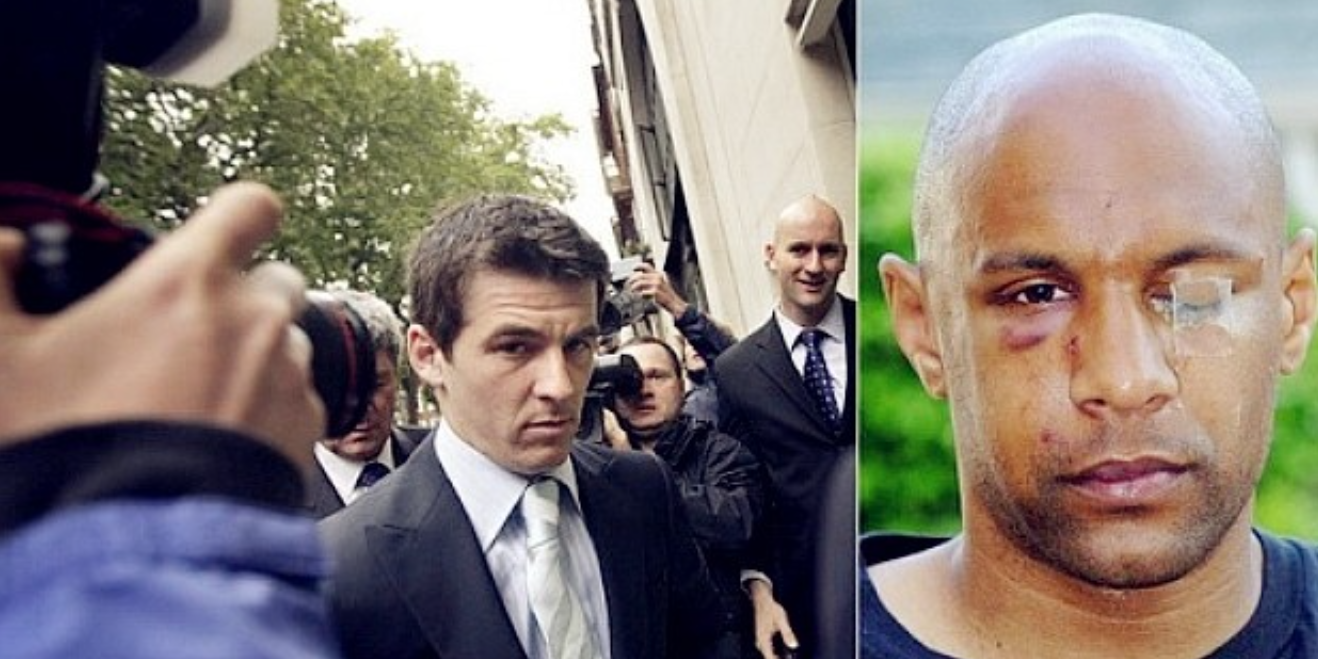
When Manchester City was just beginning to rise, the English upstarts drew controversy by constantly poaching from traditional giants. The big names who arrived at the Blue Moon side were not exactly quiet either. Adebayor and Kolo Touré once came to blows in training. Before those two former Arsenal men, City’s designated troublemaker was Joey Barton, who once knocked Dabo unconscious in training and sent him to hospital. That may well have been the most serious clash of its kind before the Valverde-Tchouaméni incident.
Compared with ordinary teams, big clubs attract far more attention, so even the slightest disturbance can generate massive traffic. Internal fights in training are therefore easier for the outside world to discover. Of course, if a “small club” makes enough noise with a brawl, it can also become a media focus. Back then, Villarreal once grabbed headlines with the clash between Senna and Forlán.
“Live on air,” even worse
Although throwing punches in training is improper, such incidents often lack photo or video evidence, so their impact and spread are limited, and clubs can deal with them relatively easily. But if an internal fight happens during a match and the family scandal is exposed in public, the matter becomes far more serious, and the players face much harsher punishment.
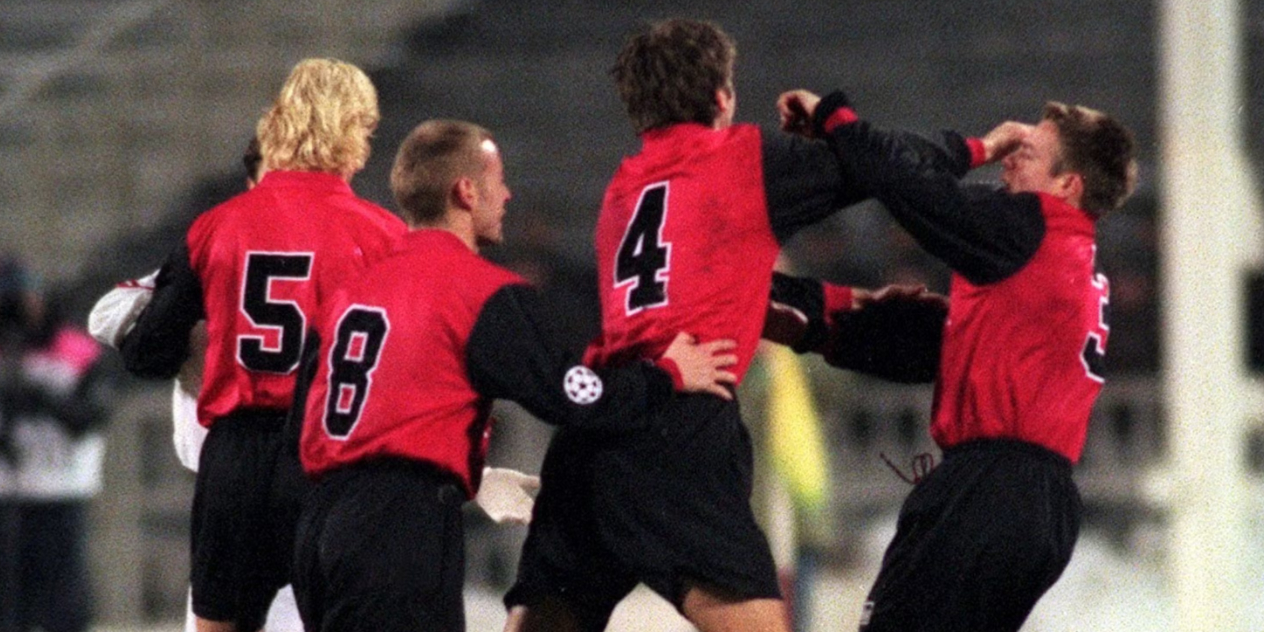
In the group stage of the 1995/96 Champions League, Blackburn visited Spartak Moscow. In a challenge, Batty and Le Saux collided, then shoved each other and traded punches, and Sherwood, who rushed over to break things up, was struck in the face. The dispute left the English champions unable to focus and they eventually lost 3-0. Batty and Le Saux were suspended by the club. In that relatively weak group (which also included Legia Warsaw and Rosenborg), Blackburn finished with only one win, one draw, and four defeats in six games, and were humiliated by finishing bottom.
At the end of the 2004/05 season, Newcastle hosted Aston Villa. With the team behind on the scoreboard, Bowyer and Dyer lost control of their emotions. They clashed over defensive responsibilities and quickly ended up fighting each other. The referee immediately sent both players off. After the match, Dyer was banned for three games, Bowyer for seven, and Newcastle docked both players six weeks’ wages as punishment.
Tony Pulis’s “Sky City” era was known for its hard-edged football, so a case of internal conflict was hardly surprising.
After that incident, the Premier League saw two more serious cases of internal strife. In the 2007/08 season, Stoke City’s Ricardo Fuller was furious about conceding a goal and slapped captain Andy Griffin, who had made the mistake. The Jamaican forward was shown a red card and later suspended for three matches. After the game, Tony Pulis urgently called a team meeting to resolve the conflict between Fuller and Griffin and calm the situation down.
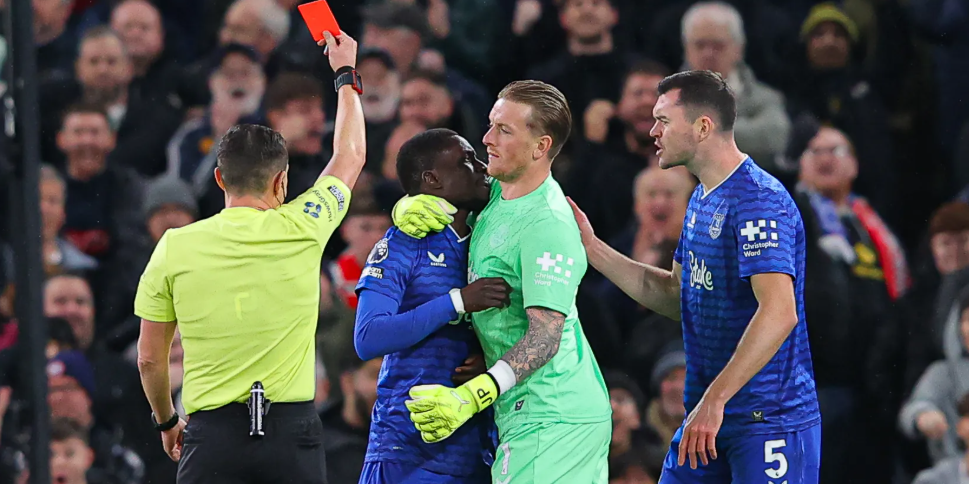
The most recent case of teammates turning on one another came this season. On November 25, 2025, in Premier League Matchday 12, Everton traveled to the Theatre of Dreams to take on Manchester United. In the 13th minute, Manchester United launched a counterattack. Although Bruno Fernandes failed to score, the move indirectly triggered an Everton meltdown. Gueye was unhappy with Michael Keane’s defending and, during the argument, slapped his teammate, before being sent off with a red card. At half-time, Gueye apologized to the whole team in the dressing room and received Michael Keane’s forgiveness.
Although Everton spent a long time a man down, they still took all three points at Old Trafford. That allowed the whole squad to deal with the dispute in a relaxed mood. In the following day’s Everton team game, Moyes arranged for two players to wear boxing gloves and “spar,” settling the on-pitch dispute. Gueye and Michael Keane eventually laughed it off and made peace.
From clubs to national teams, showing their strength at the World Cup
A club is where players earn their living, and many of them choose to endure and submit even when they are unhappy. National teams are far more complicated. Some players bring the resentment they have built up in daily life into this environment, and “factional warfare” between players from different clubs becomes a catalyst for conflict. The pressure of major tournaments can easily ignite the dressing room.
Slovenia’s first World Cup journey was ruined by its star man, Zahovič.
That said, the World Cup is a competition representing national honor and has a strong social reach. Many national teams have plenty of internal problems, but very few players dare to openly resort to violence. In most cases, it remains a war of words. France, the Netherlands, Belgium, and Brazil have all seen internal strife on multiple occasions. Slovenia and Ireland have a history of a head coach and a star player publicly falling out. In Africa, issues such as players downing tools over bonus payments have been common as well.
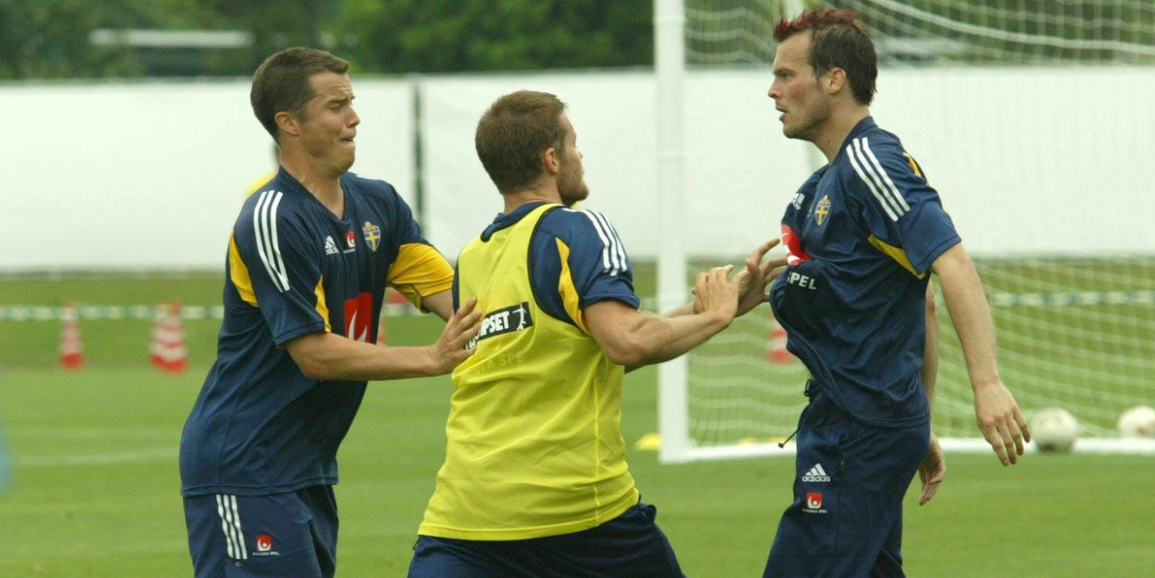
There are also some reckless players who simply do not care and strike their teammates without hesitation. At the 2002 and 2006 World Cups, Sweden experienced consecutive dressing-room fights, and the feud between Ljungberg and Mellberg lasted four years. In the 2014 World Cup group stage, Cameroon and Greece both suffered cases of teammates turning on one another. The difference was that the dispute between Assou-Ekotto and Moukandjo was “live on air,” while the conflict between Samaras and Maniatis happened in training.
Fights are only a “small matter”; strikes and boycotts are the real problem
As a “war in peacetime,” football has always been a sport full of emotion and passion, and those involved are easily swept up by the heat of competition. Conflict and friction are unavoidable. Compared with the previous era, the frequency of internal team disputes has not increased significantly. The difference is that these incidents are so dramatic that they are easily amplified and spread across social media. For clubs, the real headache is the newer problem: strikes and boycotts. In this respect, the players who are willing to stand up are usually the stars, and managers find this extremely troubling.
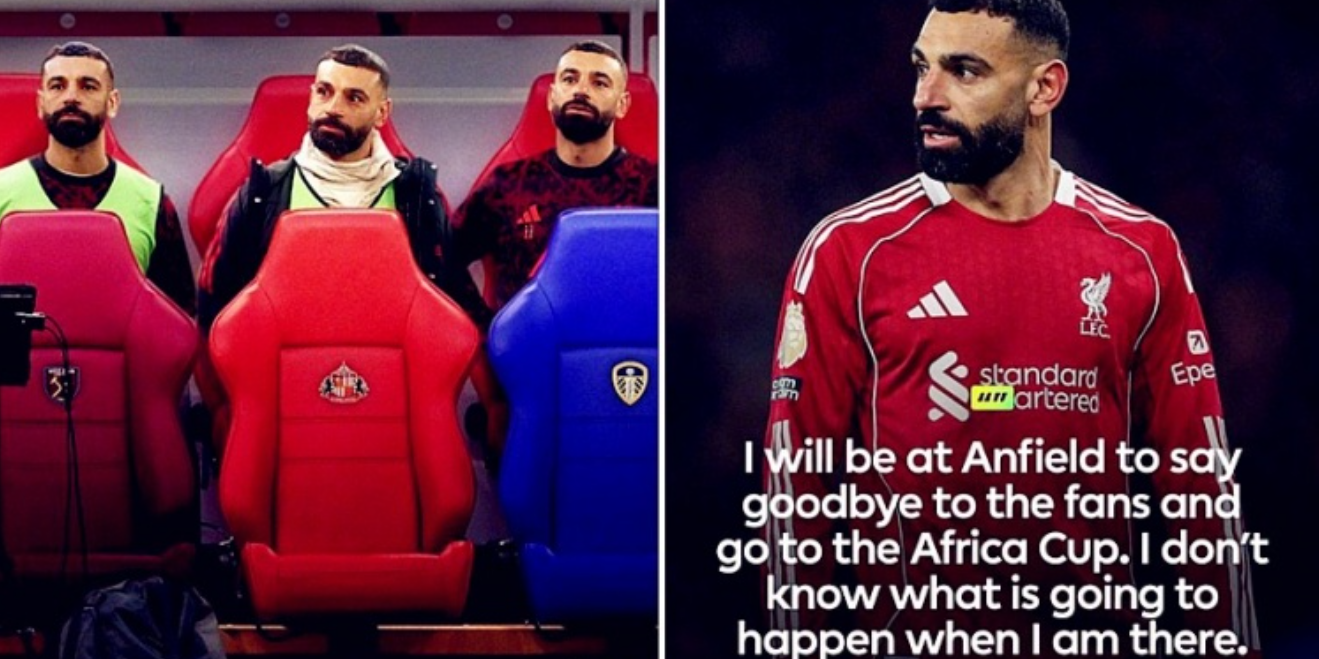
Earlier this season, Salah and Liverpool fell out completely. If not for the Africa Cup of Nations stepping in at just the right time, this farce might not even have had an ending.
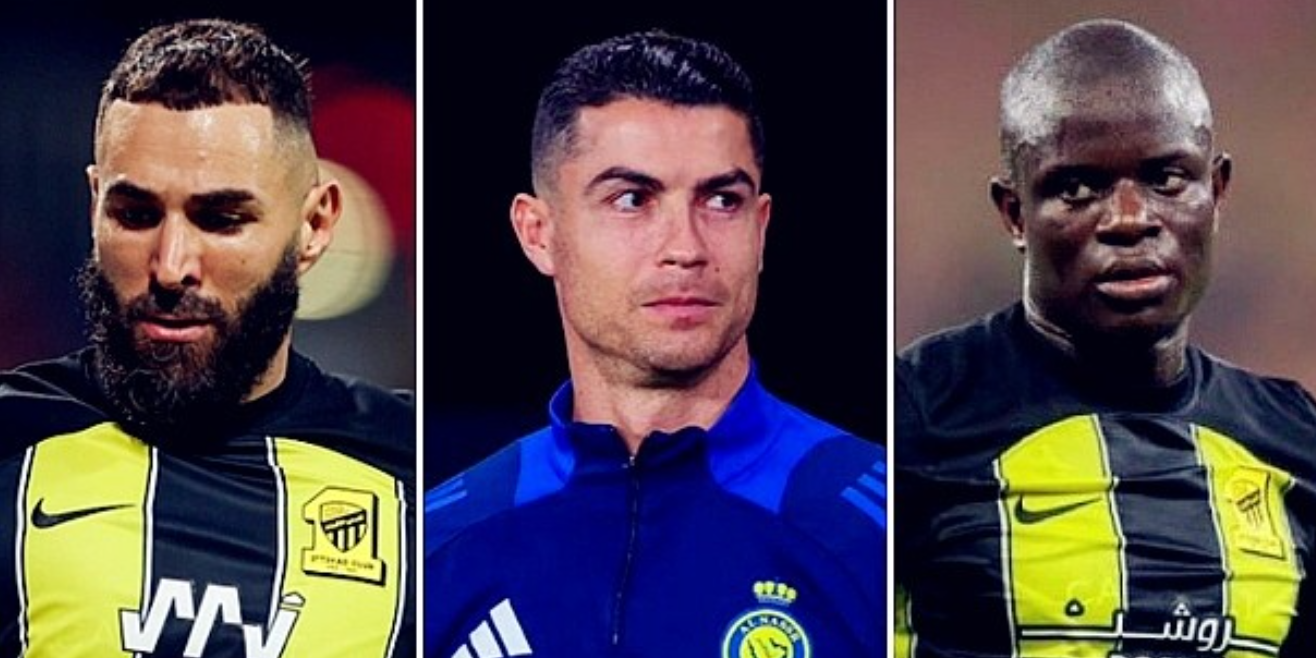
Using Cristiano Ronaldo’s training boycott as a trigger, the wave of strike action in the Saudi league has continued to surge.
Many stars have had difficult childhoods. They survive the brutally selective youth systems and then emerge in the fiercely competitive professional game. That process not only sharpens their technique, but also forges their mentality. Star players generally possess extraordinary courage and fighting spirit, with a competitive hunger and desire to win that is unusual even by professional standards. That temperament can make them fight back fiercely when they are hurt (through violence), and stand up angrily when they feel wronged (through strikes and boycotts).
Over the past ten years, the number of managers who could last long in the top five European leagues has been very small. Coaches with absolute authority like Simeone and Guardiola are rare indeed.
After being reshaped by North American and Gulf capital, the power structure of modern clubs has become increasingly refined and hierarchical. The traditional British “Manager” model has faded away, and the head coach is now in a weaker position within the management structure. Because players now have asset value, their status is much higher than in the past. When a head coach and a star player clash, the former often becomes the victim of palace intrigue, and Slot’s reluctance to speak up when Salah exploded already says enough.
If the head coach cannot control the star player, the club still has to placate him. As social media has boomed, star players have gained massive followings, and their influence now rivals that of the club itself. They can easily weaponize public opinion and use
“forcing the issue” and training boycotts to fight for their own interests. In recent years, the appeal of the Saudi league and MLS has kept rising, giving star players an ideal escape route. Of course, if a player cannot keep his feet on the ground, the high-paying offers in his hands can become the capital he uses to boss around his teammates and pressure the club.